Energy Price Cap January 2027: What the 26% Rise Means and How to Cut Your Bill
By Matt · 6 min read · Updated 26 November 2026
In short
- From 1 January 2027 the typical dual-fuel bill rises 26%, from £1,723 to £2,166 a year.
- The average electricity unit rate goes from 26.32p to 32.69p per kWh, and gas from 7.97p to 10.96p.
- Standing charges barely move, so cutting how much you use, and when, is what counts.
- The price cap limits the rate, not your bill. Use less and you pay less.
Ofgem confirmed on 25 November 2026 that the energy price cap will rise by 26% from 1 January 2027. For a typical household paying by Direct Debit, that takes annual dual-fuel bills from £1,723 to £2,166, an increase of £443 a year or roughly £37 a month. It’s the highest level since 2023.
The new rates
| Average Direct Debit rate | Oct to Dec 2026 | Jan to Mar 2027 |
|---|---|---|
| Electricity unit rate | 26.32p per kWh | 32.69p per kWh |
| Electricity standing charge | 54.83p a day | 54.77p a day |
| Gas unit rate | 7.97p per kWh | 10.96p per kWh |
| Gas standing charge | 29.68p a day | 29.65p a day |
The rise is driven by wholesale prices, particularly gas, which analysts at Cornwall Insight linked to the conflict in the Middle East. Standing charges are almost unchanged, so the whole increase comes through the unit rates. That’s worth knowing, because it means what you use, and when you use it, now matters more than ever.
What the price cap does and doesn’t do
The price cap limits the rate suppliers can charge per unit on a standard variable tariff. It doesn’t cap your total bill. The £2,166 figure is just what a typical home would pay. Use more and you’ll pay more, use less and you’ll pay less.
Rates also vary by region and payment method, so check your own bill or your supplier’s website for your exact figures.
Seven ways to cut your electricity bill
1. Check whether a fixed deal beats the cap. With a big rise confirmed, some suppliers’ fixed tariffs may now work out cheaper than the capped rate for the next year. Compare the unit rate and standing charge, not just the headline.
2. Move to a time-of-use tariff if you can shift your use. These tariffs charge much less overnight or at quiet times, often under 10p per kWh. If you have an electric car, or can run the dishwasher, washing machine and tumble dryer overnight on timers, the savings can be significant.
3. Store cheap power in a battery. A portable power station charged on a cheap overnight rate can run a fridge freezer or home office in the day, saving around 20p per kWh shifted, and keeps the lights on in a winter power cut (here’s what it really saves). An installed battery saves more, and our home battery costs and savings guide runs the numbers. Plug-in home batteries aren’t covered by the current rules, and our plug-in battery explainer explains what’s coming.
4. Plan for plug-in solar in spring. Plug-in solar has been legal since August. It won’t do much in January, but a well-placed 800W kit can save £100 to £150 a year at the new rate, mostly from April to September (is it worth buying in winter?). See our best plug-in solar kits and is plug-in solar worth it?.
5. Find the always-on drain. Our appliance running costs table shows what each one costs from January. Old fridges and freezers, set-top boxes, games consoles left in standby and second fridges in the garage all add up. A plug-in energy monitor costs a few pounds and shows you exactly what each appliance uses.
6. Wash cooler and fuller. Most of a washing machine’s energy goes on heating water, so a 30°C wash with a full load uses far less than a hot half load. Air-drying instead of tumble drying saves even more.
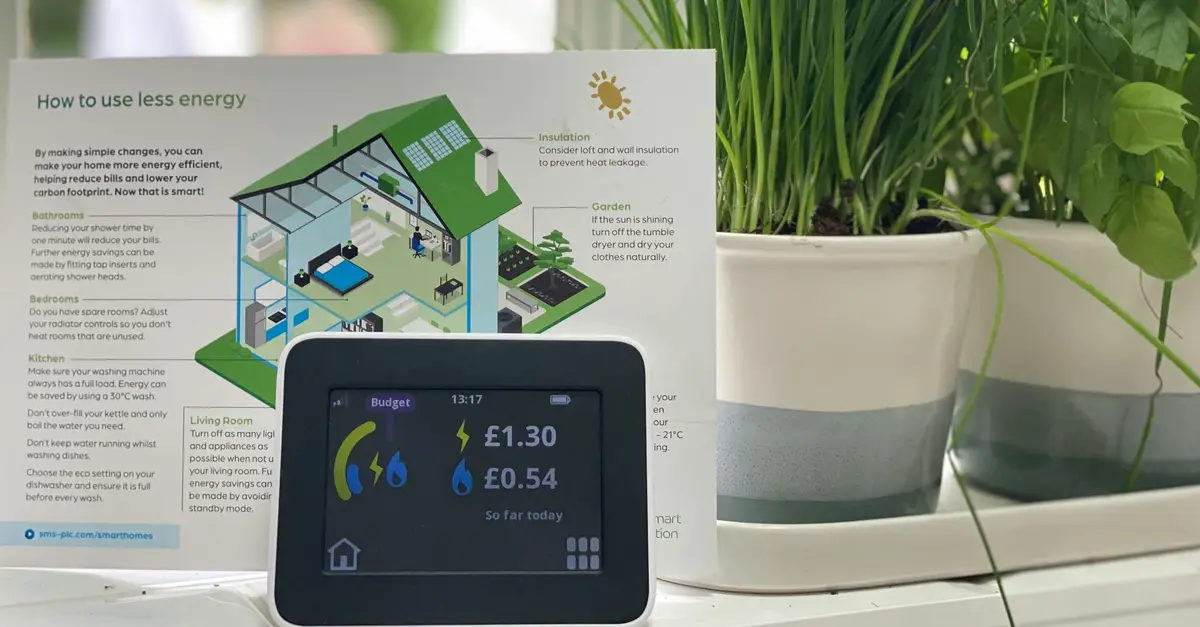
7. Use your smart meter. If you have one, the in-home display shows your use in real time. Turn things on and off and watch the number move, and you’ll quickly find where your money goes.
Getting help
If you’re struggling to pay, contact your supplier before you fall behind. Suppliers have to offer support such as payment plans, and you may be eligible for the Warm Home Discount or other help. Citizens Advice can help you check what you’re entitled to.
What’s next?
The cap is reviewed every three months. The next change is due on 1 April 2027, with Ofgem’s announcement expected in late February. We’ll update our guides and savings figures as soon as it’s confirmed.
Sources
Disclosure: Some links on this site may be affiliate links. If you buy through them, we may earn a commission at no extra cost to you. Our guides are written to help you choose suitable products, not just promote the highest-paying options.