Is It Worth Buying Plug-in Solar in Winter?
By Matt · 5 min read · Updated 26 November 2026
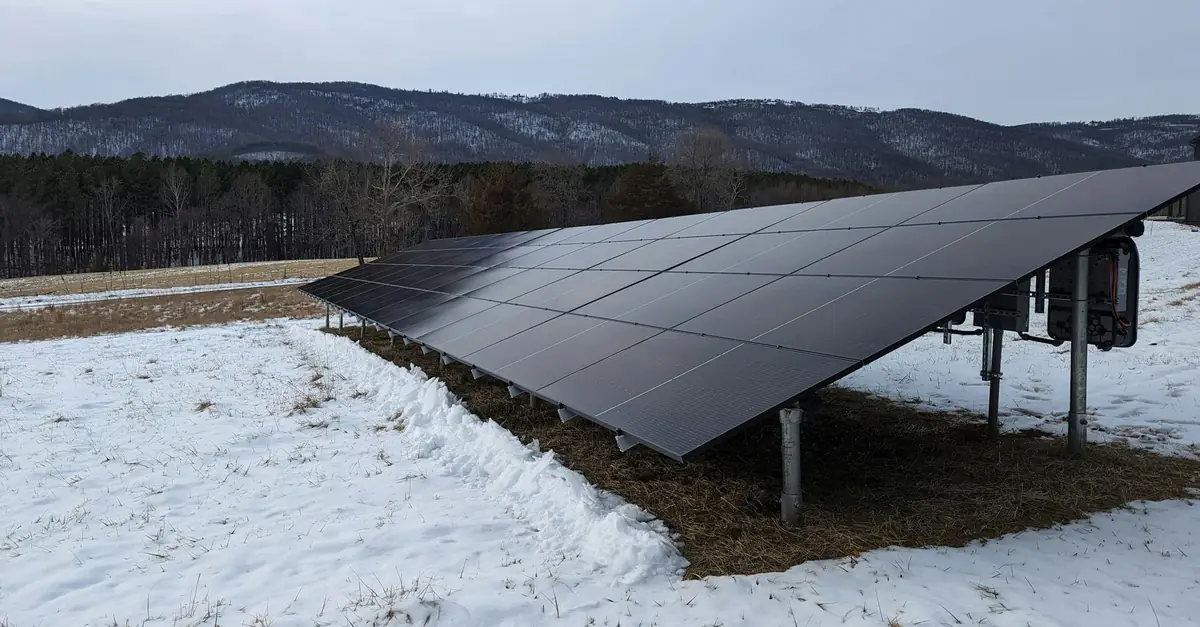
In short
- A south-facing 800W plug-in kit makes roughly 15 to 30kWh a month in December and January, against well over 100kWh in summer.
- At the January 2027 rate of 32.69p, that's worth about £5 to £10 a month in winter, if you use it all.
- Buying now means you're set up and notified before spring, when about two thirds of the year's output arrives.
- Upright wall and balcony panels lose less in winter than in summer, because the sun is low.
Plug-in solar has been legal in Great Britain since 27 August 2026, so most people’s first chance to buy is heading into winter. That’s the weakest time of year for solar, so is it worth buying now or waiting for spring?
How much a kit makes in winter
Solar output in the UK drops sharply from November to January: the days are short, the sun is low and there’s more cloud. Figures for a typical south-facing 4kW rooftop system show around 75kWh in December and 90kWh in January, against about 540kWh in July. About 65 to 70% of the year’s output comes between April and September.
Scaled down to a plug-in kit with around 900W of panels, that’s roughly:
| Month | Approximate output | Worth at 32.69p |
|---|---|---|
| December | 15 to 20kWh | £5 to £6.50 |
| January | 20kWh | about £6.50 |
| March | 70kWh | about £23 |
| July | 110 to 120kWh | about £36 to £39 |
These assume a good south-facing spot and that you use everything the kit makes. Shade, an east or west aspect and power you don’t use all reduce it.
Why buying now can still make sense
- Spring is when it pays. March already makes several times what December does. Buying in winter means the kit is fitted, working and notified to your network operator before the good months arrive.
- Upright panels do relatively well in winter. Panels hung on a wall or balcony are a poor angle for the high summer sun, but the low winter sun hits them more directly, so they lose less over winter than roof-angled panels do.
- Stock and prices. Popular kits have sold out more than once since launch, and some are discounted now. Our Black Friday deals page has the current offers.
- Bills are going up. Every unit the kit makes is worth 32.69p from 1 January, up from 26.32p.
Why you might wait
If your only spot gets little or no direct sun in winter, there’s no rush: the kit will make very little until March. And if you’re unsure about mounting or the rules, there’s time to read up properly. Our plug-in solar rules explainer covers what you need to know.
Getting the most out of winter
- Clear snow and leaves from the panels. Even a little shade cuts output sharply.
- Tilt it steeper if your frame allows. A steeper angle catches more of the low winter sun.
- Run things in the middle of the day. The washing machine or dishwasher at noon on a bright day uses your own power instead of the grid’s.
Which kit?
Our best plug-in solar kits guide compares the kits on sale in the UK on wattage, mounting and price. For a rough idea of your yearly saving, try the plug-in solar savings calculator.
Sources
Disclosure: Some links on this site may be affiliate links. If you buy through them, we may earn a commission at no extra cost to you. Our guides are written to help you choose suitable products, not just promote the highest-paying options.