Portable Power Stations
A portable power station is a large rechargeable battery with built-in UK sockets, USB ports and often a solar input. Plug appliances straight into it during a power cut, take it camping, or charge it on a cheap overnight tariff and run a few devices from it in the day. Because it powers things directly rather than feeding your home's wiring, you don't need an electrician.
Our top picks this month
Standouts from our buying guides for the time of year. Each guide explains why, and covers the alternatives.
Best overall
Jackery Explorer 1000 v2
Power cut backup for the fridge, router and lights at a sensible price.1,070Wh · 1,500W (3,000W surge) · UPS mode
£419-£499
View on AmazonCheck price on AmazonBest expandable
EcoFlow Delta 3 Plus
Starting at 1kWh and adding an extra battery later.1,024Wh LiFePO4 · 1,800W · UPS under 10ms · expands to 5kWh
£499-£699
View on AmazonCheck price on AmazonMost power for its size
Anker SOLIX C1000 Gen 2
Running a kettle, microwave or power tools as well as the basics.1,024Wh LiFePO4 · 2,000W (3,000W peak) · UPS under 10ms
£545-£599
View on AmazonCheck price on Amazon
Best expandable
EcoFlow Delta 3 Plus
Starting at 1kWh and adding an extra battery later.1,024Wh LiFePO4 · 1,800W · UPS under 10ms · expands to 5kWh
£499-£699
View on AmazonCheck price on AmazonMost power for its size
Anker SOLIX C1000 Gen 2
Running a kettle, microwave or power tools as well as the basics.1,024Wh LiFePO4 · 2,000W (3,000W peak) · UPS under 10ms
£545-£599
View on AmazonCheck price on AmazonBest overall
Jackery Explorer 1000 v2
Power cut backup for the fridge, router and lights at a sensible price.1,070Wh · 1,500W (3,000W surge) · UPS mode
£419-£499
View on AmazonCheck price on Amazon
Most power for its size
Anker SOLIX C1000 Gen 2
Running a kettle, microwave or power tools as well as the basics.1,024Wh LiFePO4 · 2,000W (3,000W peak) · UPS under 10ms
£545-£599
View on AmazonCheck price on AmazonBest overall
Jackery Explorer 1000 v2
Power cut backup for the fridge, router and lights at a sensible price.1,070Wh · 1,500W (3,000W surge) · UPS mode
£419-£499
View on AmazonCheck price on AmazonBest expandable
EcoFlow Delta 3 Plus
Starting at 1kWh and adding an extra battery later.1,024Wh LiFePO4 · 1,800W · UPS under 10ms · expands to 5kWh
£499-£699
View on AmazonCheck price on Amazon
Typical UK prices, which change often. Click through for today's price.
Buying guides

Explainers and how-tos
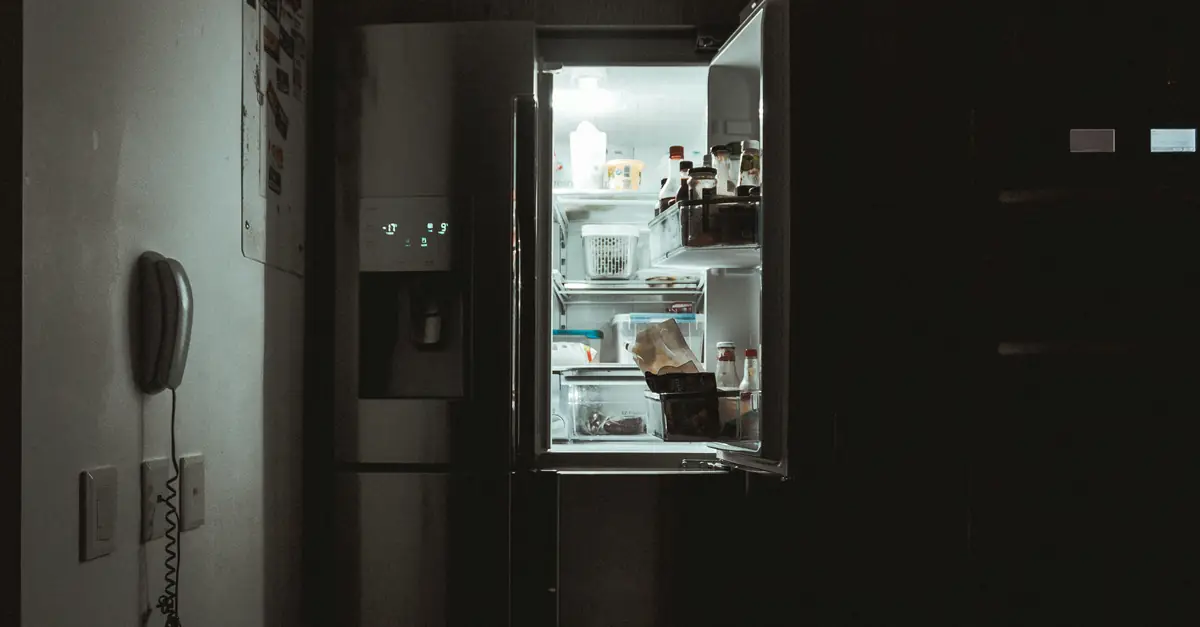
How Long Will a Power Station Run a Fridge Freezer in a Power Cut?
A 1kWh power station keeps a typical fridge freezer going for most of a day. Here are the run times for popular models and how to stretch them.
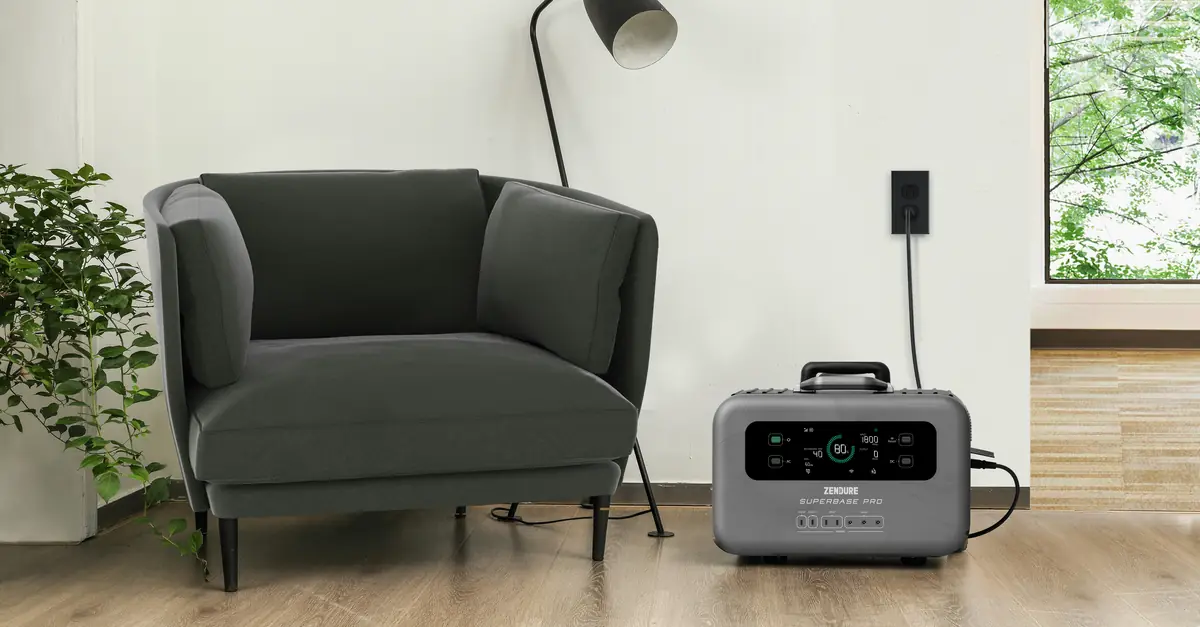
Can a Portable Power Station Cut Your Electricity Bill?
Charge it cheap at night, use it during the day. Here's what that actually saves at the new price cap, and when it's worth doing.
Reviews and comparisons
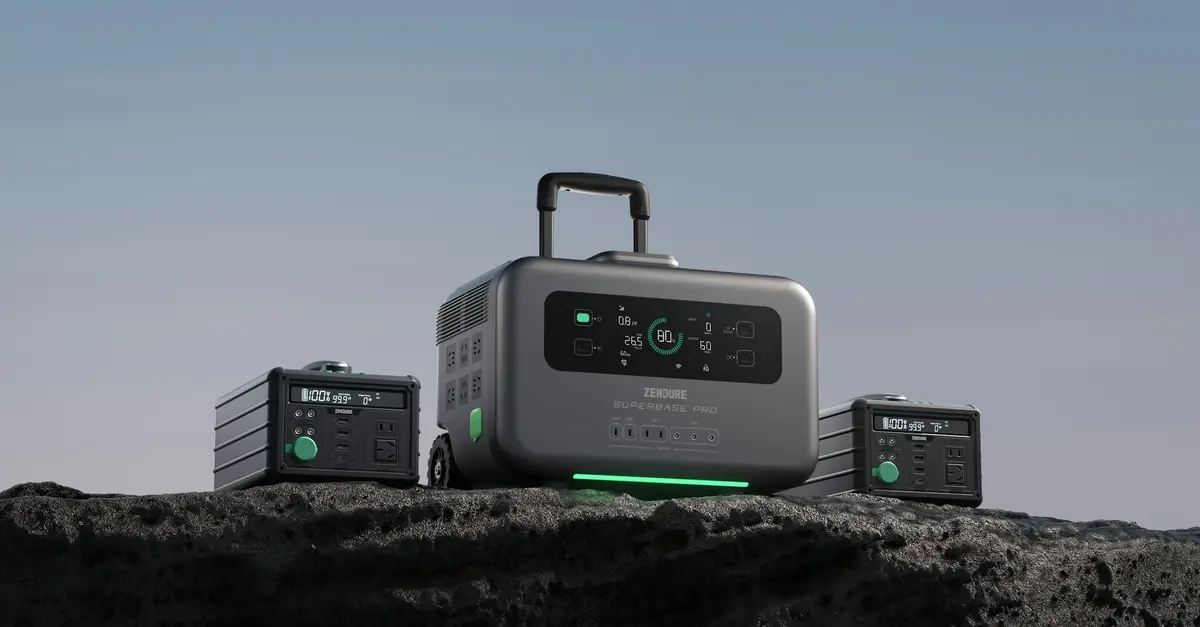
Portable Power Stations buying advice
Capacity and output, in plain English
Capacity (Wh) is how much energy it holds; output (W) is how big an appliance it can run. A 1,000Wh station running a 100W fridge lasts roughly eight to nine hours once you allow for conversion losses. To run a kettle or microwave you need at least 1,800W to 2,400W of output, and those drain even a large station quickly.
For power cuts, 1,000Wh is the sweet spot: enough for the fridge, router, lights and phone charging through an evening. Under 300Wh suits phones, laptops and camping lights. Above 2,000Wh is for running more of the house or longer outages.
Features worth paying for
LiFePO4 (lithium iron phosphate) batteries last thousands of charge cycles and are the safer chemistry, so most current models use them. A UPS or EPS mode switches over in 10 to 30 milliseconds when the power drops, keeping a router or PC running. Fast mains charging (around an hour for a 1kWh station) and a solar input are useful extras.
Can it cut my bills?
A little, if you're on a time-of-use tariff. Charge it overnight at a cheap rate and run a fridge freezer, desk setup or TV from it in the day. The savings are modest because you have to move the plugs yourself, so buy one for backup and treat any bill savings as a bonus.
How much should you pay?
| Type | Usual UK price |
|---|---|
| Small (250Wh to 300Wh) | £150 to £260 |
| Mid-size (1,000Wh) | £420 to £700 |
| Large (2,000Wh+) | £800 to £2,800 |
Typical prices at UK retailers when we last checked. Prices move often, so check the retailer for today's price.
Portable Power Stations FAQs
Can a power station run a fridge in a power cut?
Yes. A typical fridge freezer uses around 1kWh a day, so a 1,000Wh station keeps it going for most of a day, longer if you keep the door shut. Check the output (W) covers the fridge's start-up surge.
Do I need an electrician for a power station?
No, as long as you plug appliances into the power station's own sockets. Connecting one into your home's wiring is a different job and needs a qualified electrician.
How long does a power station hold its charge?
Most lose only a few per cent a month, so you can keep one charged for emergencies. Top it up every few months.
Not sure yet? Try our free tools
- Plug-in Solar Savings CalculatorSee what a plug-in solar kit could generate and save at the January 2027 price cap, and how long it takes to pay back.
- Appliance Running Cost CalculatorFind out what the kettle, tumble dryer, heater or any appliance costs to run per use, week and year at the new price cap or your own rate.