Are Plug-in Solar Panels Worth It in the UK? Savings at the 2027 Price Cap
By Matt · 7 min read · Updated 26 November 2026
Quick answer
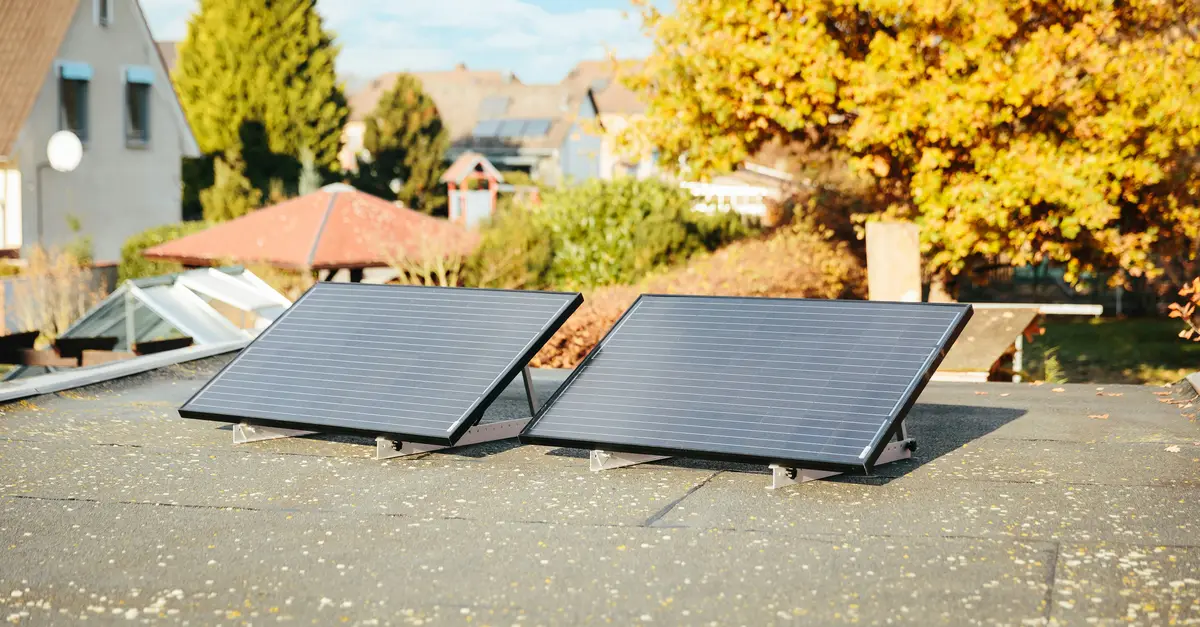
For most homes with a sunny, unshaded south, east or west-facing spot, yes. At the January 2027 average rate of 32.69p per kWh, a well-placed 800W kit saves roughly £100 to £150 a year and pays back in about four to six years. It's not worth it on a north-facing or heavily shaded spot, or if you own a good roof and can afford full rooftop solar.
Our top pick: PowerXpress 800W Bifacial Plug-In Solar Kit, usually £599-£669
Check price at ScrewfixOur top picks
Typical UK prices, click for today's
Our top pick
PowerXpress 800W Bifacial Plug-In Solar Kit
Most homes, with a mount that works on a wall, the ground or a balcony.2 x 460W bifacial panels · 800W microinverter
Easiest to buy
Octopus Energy Two-Panel Plug-In Solar Bundle
A supplier-backed kit delivered with everything included.2 x 460W bifacial panels · Fox ESS microinverter
£650 delivered
View at Octopus EnergyCheck price at Octopus Energy
The price cap rises 26% on 1 January 2027, and the average electricity unit rate goes from 26.32p to 32.69p per kWh. That changes the sums on plug-in solar, because every unit a kit makes and your home uses is now worth about a quarter more.
Here’s the honest maths, worked out at the new rate.
What a kit actually saves
A plug-in kit saves money in one way only: the power it makes is used by your home instead of power from the grid. So the saving depends on two things.
- How much it generates. In the UK, a well-placed south-facing 800W kit typically makes around 700 to 800 kWh a year. East or west-facing panels make roughly a fifth less, and panels hung upright on a balcony rail make roughly a quarter less again.
- How much of that you use. A plug-in kit makes most of its power around the middle of the day. If someone’s home, a lot of it is used. If the house is empty, much of it flows back to the grid, and at the moment DIY kits can’t earn Smart Export Guarantee payments for it.
Most homes use somewhere between a third and two thirds of what a kit makes.
Worked examples at 32.69p per kWh
| Setup | Generated a year | Used at home | Saving a year |
|---|---|---|---|
| 800W, south-facing frame, someone home most days | about 740 kWh | about 480 kWh | about £155 |
| 800W, south-facing frame, out at work | about 740 kWh | about 370 kWh | about £120 |
| 800W, upright on an east or west balcony | about 440 kWh | about 220 kWh | about £70 |
| 460W single panel, south-facing frame, someone home most days | about 420 kWh | about 275 kWh | about £90 |
These assume the South East of England. Scotland and the North make roughly 10% to 15% less. You can run your own numbers in our plug-in solar savings calculator.
For comparison, the government’s own estimate for an 800W kit is about £70 to £110 a year, but that was worked out at 2026 prices.
How long does it take to pay back?
Divide the price of the kit by the yearly saving. A £650 two-panel kit saving £120 to £155 a year pays back in about four to five and a half years. A £450 single-panel kit saving about £90 a year takes about five. A badly placed kit can take over ten years, and at that point it’s hard to justify.
Panels themselves last 25 years or more, so a kit that pays back in five years has a long run of savings afterwards. Microinverters and cheaper kits often carry much shorter warranties, which is worth factoring in.
When plug-in solar is worth it
- You have a south, south-east or south-west facing spot with no shade between about 10am and 4pm.
- Someone is home during the day, or you can run appliances on timers.
- You rent, live in a flat, or your roof isn’t suitable for a full system.
- You might move in the next few years and want to take your panels with you.
When it isn’t
- Your only spot faces north or is shaded by trees or buildings.
- You own your home, have a good roof and can afford rooftop solar, which will usually save far more.
- Your wiring is old. Get it checked first, which can add £100 to £250.
Don’t expect much in January
Solar is a summer thing in the UK. December and January together make well under a tenth of a kit’s yearly output, so a kit bought now will barely dent your January bill. Order in winter to be set up for spring, and if you want help with winter bills specifically, a portable power station charged on a cheap overnight tariff does more right now.
Getting the most from a kit
- Run the washing machine, dishwasher and tumble dryer between late morning and mid-afternoon.
- Use timers or smart plugs if you’re out at work.
- Keep panels clean and clear of leaves, and angle them towards the sun if your mount allows.
- Pick a kit with enough panel wattage. Two panels makes far better use of the 800W limit than one.
FAQs
Does plug-in solar work on cloudy days? Yes, but output drops a lot. That’s why many people fit slightly more than 800W of panels, which keeps output up on dull days.
Will plug-in solar reduce my standing charge? No. The standing charge is a fixed daily fee, around 54.77p a day for electricity from January 2027, and you’ll pay it whatever you generate.
Is it worth buying plug-in solar before the price rise? The price rise makes the sums better all year round, but you won’t see much benefit until spring. There’s no rush to buy in December, unless a kit you want is in stock at a good price.
Ready to choose? Our top 2 picks
- View at ScrewfixCheck price at Screwfix
Our top pick
PowerXpress 800W Bifacial Plug-In Solar Kit
Usually £599-£669
- View at Octopus EnergyCheck price at Octopus Energy
Easiest to buy
Octopus Energy Two-Panel Plug-In Solar Bundle
Usually £650 delivered
Prices are typical UK ranges. Click through for today's price and stock.
Disclosure: Some links on this site may be affiliate links. If you buy through them, we may earn a commission at no extra cost to you. Our guides are written to help you choose suitable products, not just promote the highest-paying options.