Plug-in Solar
Plug-in (or balcony) solar kits are one or two panels with a small inverter that plugs straight into a socket, so the power is used by your home as it's made. They became legal in England, Scotland and Wales on 27 August 2026. We cover which kits are worth buying, what they really save at today's unit rates, and the rules you need to follow.
Our top picks this month
Standouts from our buying guides for the time of year. Each guide explains why, and covers the alternatives.
Best overall
PowerXpress 800W Bifacial Plug-In Solar Kit
Most homes, with a mount that works on a wall, the ground or a balcony.2 x 460W bifacial panels · 800W microinverter · wall, ground or balcony mount
Easiest to buy
Octopus Energy Two-Panel Plug-In Solar Bundle
Anyone who wants a supplier-backed kit delivered with everything included.2 x 460W JA Solar bifacial panels · Fox ESS microinverter · wall or ground mount
£650 delivered
View at Octopus EnergyCheck price at Octopus EnergyMost panel power
UKSOL Pro Duo 890W Plug-In Solar Kit
Gardens with room for a ground frame, squeezing more out of cloudy days.2 panels, 890W total · 800W output limit · ground mount
£849-£999
View at ArgosCheck price at Argos
Easiest to buy
Octopus Energy Two-Panel Plug-In Solar Bundle
Anyone who wants a supplier-backed kit delivered with everything included.2 x 460W JA Solar bifacial panels · Fox ESS microinverter · wall or ground mount
£650 delivered
View at Octopus EnergyCheck price at Octopus EnergyMost panel power
UKSOL Pro Duo 890W Plug-In Solar Kit
Gardens with room for a ground frame, squeezing more out of cloudy days.2 panels, 890W total · 800W output limit · ground mount
£849-£999
View at ArgosCheck price at ArgosBest overall
PowerXpress 800W Bifacial Plug-In Solar Kit
Most homes, with a mount that works on a wall, the ground or a balcony.2 x 460W bifacial panels · 800W microinverter · wall, ground or balcony mount
Most panel power
UKSOL Pro Duo 890W Plug-In Solar Kit
Gardens with room for a ground frame, squeezing more out of cloudy days.2 panels, 890W total · 800W output limit · ground mount
£849-£999
View at ArgosCheck price at ArgosBest overall
PowerXpress 800W Bifacial Plug-In Solar Kit
Most homes, with a mount that works on a wall, the ground or a balcony.2 x 460W bifacial panels · 800W microinverter · wall, ground or balcony mount
Easiest to buy
Octopus Energy Two-Panel Plug-In Solar Bundle
Anyone who wants a supplier-backed kit delivered with everything included.2 x 460W JA Solar bifacial panels · Fox ESS microinverter · wall or ground mount
£650 delivered
View at Octopus EnergyCheck price at Octopus Energy
Typical UK prices, which change often. Click through for today's price.
Buying guides
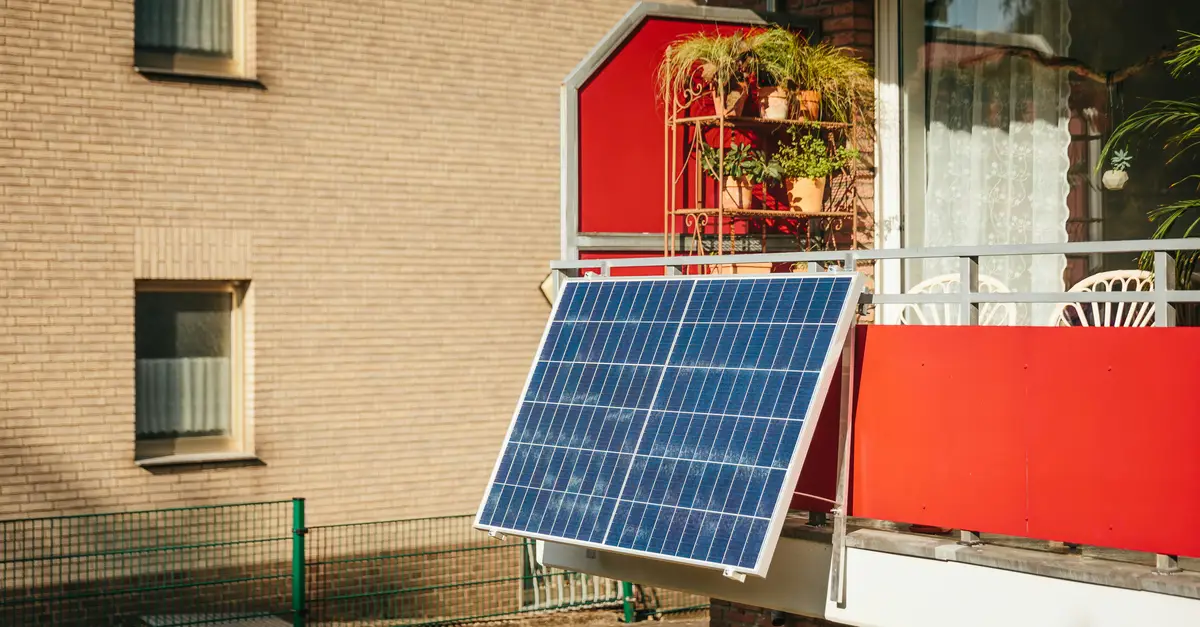
Best Plug-in Solar Kits UK 2026
Plug-in solar has been legal since August. These are the kits worth buying, and what they'll actually save once the new price cap kicks in.
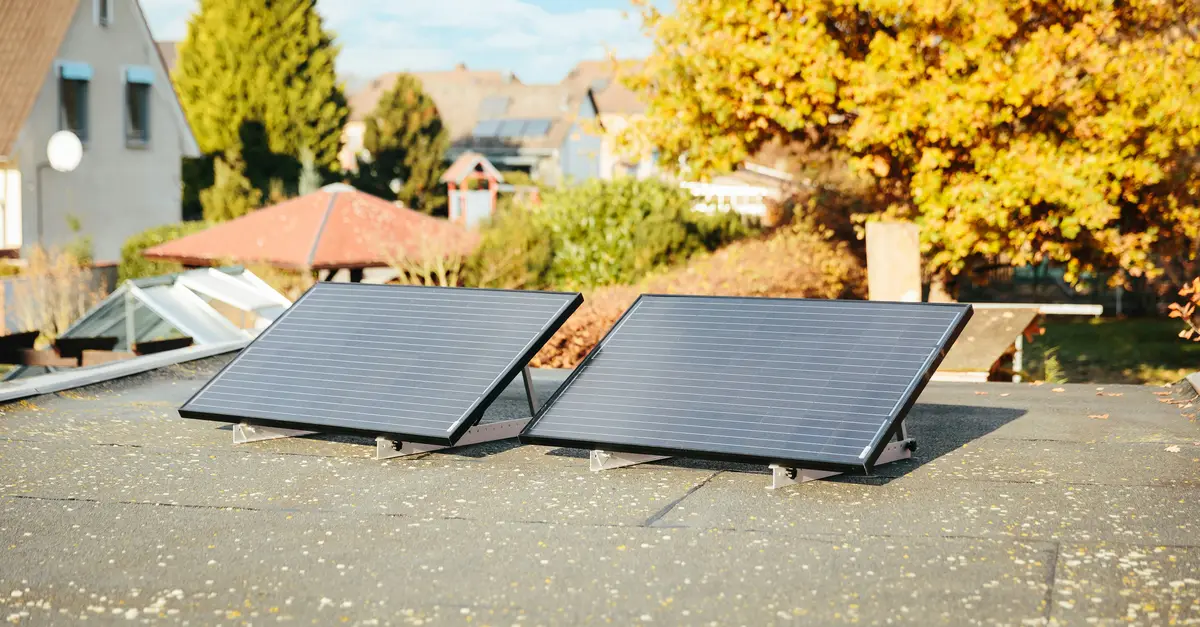
Are Plug-in Solar Panels Worth It in the UK? Savings at the 2027 Price Cap
The honest maths on plug-in solar now that electricity is heading past 32p a unit, including when it's not worth buying.
Explainers and how-tos
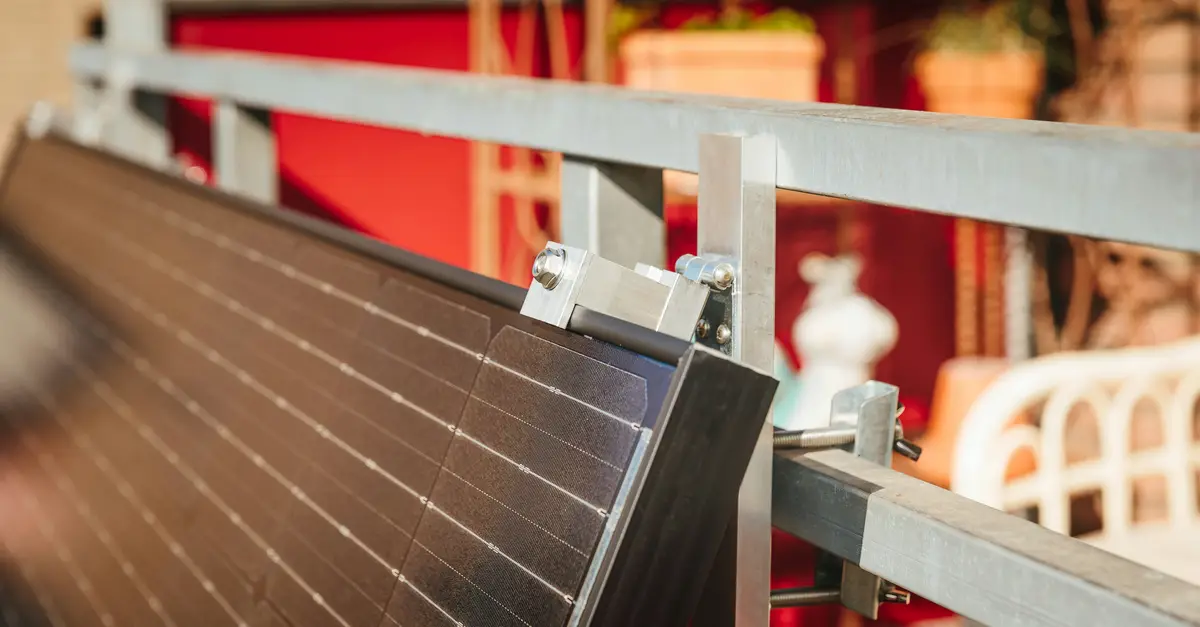
Plug-in Solar buying advice
What you can and can't do
The rules cap a plug-in kit's inverter at 800W of output. You can fit more panel wattage than that, up to about 2,000W, and the inverter simply limits what goes into the socket. The kit must plug into a fixed socket, never an extension lead, and it has to be a product listed on the ENA's G98 Type Test Register.
You need to tell your local network operator within 28 days of plugging it in, which is a short online form rather than an application. If you rent, ask your landlord first. Northern Ireland isn't covered by the new rules yet.
Where to put it
A south-facing spot with no shade is best, and panels tilted at an angle make noticeably more power than panels hung upright on a balcony rail or wall. East or west-facing panels still work, making roughly a fifth less than south. North-facing panels aren't worth it.
Check what the kit's mount is designed for. Some are ground or solid-wall only and aren't suitable for balconies, and panels can weigh up to about 20kg each.
Getting the most from it
A plug-in kit only saves money when your home uses the power as it's made. Run the washing machine, dishwasher and tumble dryer in the sunniest part of the day, and use timers if nobody is home. Power you don't use goes back to the grid unpaid, because DIY kits can't currently earn Smart Export Guarantee payments.
How much should you pay?
| Type | Usual UK price |
|---|---|
| Single-panel kit (340W to 515W) | £450 to £600 |
| Two-panel kit (800W to 940W) | £430 to £1,000 |
Typical prices at UK retailers when we last checked. Prices move often, so check the retailer for today's price.
Plug-in Solar FAQs
Is plug-in solar legal in the UK?
Yes, in England, Scotland and Wales since 27 August 2026, as long as the kit's output is no more than 800W, it plugs into a fixed socket and it's on the ENA G98 Type Test Register. Northern Ireland isn't covered yet.
How much does plug-in solar save?
Government estimates put an 800W kit at about £70 to £110 a year at 2026 prices. With the January 2027 price cap rise, a well-placed kit in a home that uses its power in the day can save more like £100 to £150 a year.
Can I add a battery to a plug-in solar kit?
Not as a DIY plug-in. The current rules cover solar panels only, so a battery that feeds power back through a socket needs to be installed by an electrician. A portable power station that runs appliances directly from its own sockets is a different thing and is fine.
Not sure yet? Try our free tools
- Plug-in Solar Savings CalculatorSee what a plug-in solar kit could generate and save at the January 2027 price cap, and how long it takes to pay back.
- Appliance Running Cost CalculatorFind out what the kettle, tumble dryer, heater or any appliance costs to run per use, week and year at the new price cap or your own rate.