How Much Does It Cost to Run Your Appliances From January 2027?
By Matt · 6 min read · Updated 26 November 2026
In short
- From 1 January 2027 the average electricity unit rate is 32.69p per kWh, up from 26.32p.
- Anything that makes heat costs the most: a 2kW fan heater is about 65p an hour, a vented tumble dryer about £1.47 a load.
- A fridge freezer running all year costs around £119, so an old, inefficient one is worth replacing.
- Small changes add up: a heated airer instead of the dryer saves over £1 a load.
From 1 January 2027 the price cap puts the average electricity unit rate at 32.69p per kWh, up from 26.32p. That’s a rise of almost a quarter on every unit you use, so it’s worth knowing which appliances actually cost money and which barely register.
The figures below use typical power ratings and the average price cap rate for Direct Debit customers. Your own rate depends on your region and tariff, and your appliance may use more or less than these, so treat them as a good guide rather than to the penny. The standing charge is extra and you pay it whatever you use. Our January 2027 price cap explainer covers the full rates.
What each appliance costs to run
| Appliance | Energy used (kWh) | Cost before (26.32p) | Cost from January (32.69p) | |
|---|---|---|---|---|
| Boiling a full kettle (1.7 litres) | 0.18 | 4.7p | 5.9p | per boil |
| Boiling one mug (0.3 litres) | 0.04 | 1.1p | 1.3p | per boil |
| Microwave, 5 minutes | 0.08 | 2.1p | 2.6p | per use |
| Air fryer, 20 minutes | 0.4 | 10.5p | 13.1p | per use |
| Electric oven, 1 hour | 1.5 | 39.5p | 49.0p | per use |
| Slow cooker, 8 hours | 1.3 | 34.2p | 42.5p | per use |
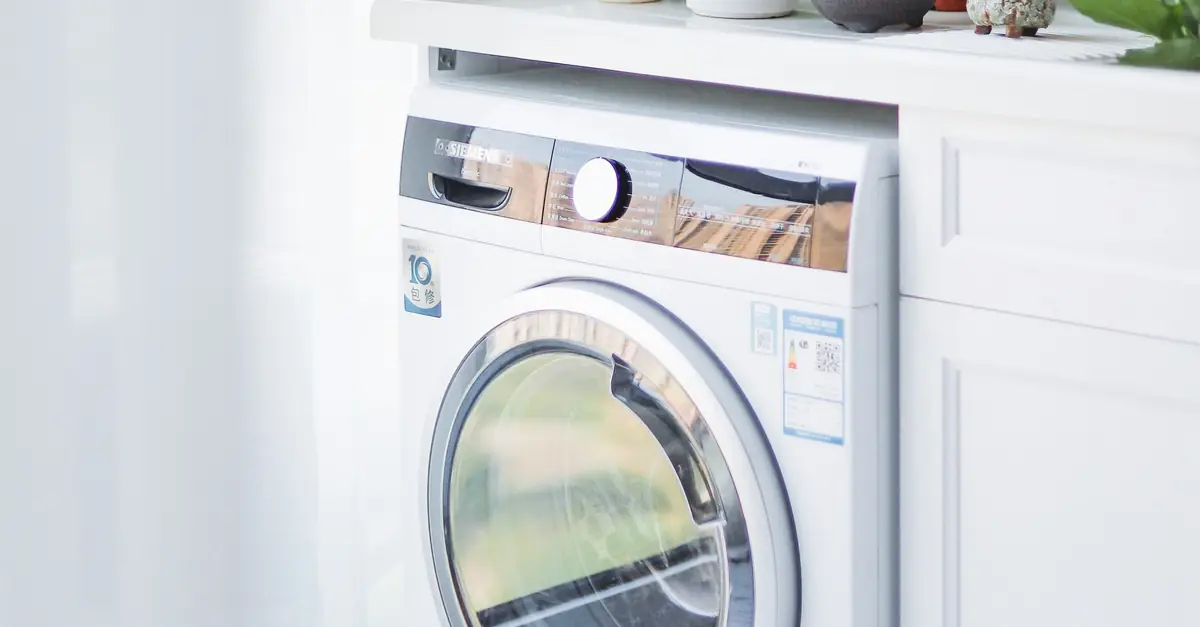
| Washing machine, 40°C cycle | 0.8 | 21.1p | 26.2p | per wash |
| Dishwasher, eco cycle | 0.9 | 23.7p | 29.4p | per load |
| Tumble dryer (vented) | 4.5 | £1.18 | £1.47 | per load |
| Heat pump tumble dryer | 1.5 | 39.5p | 49.0p | per load |
| Heated clothes airer (300W) | 0.3 | 7.9p | 9.8p | per hour |
| Dehumidifier (200W) | 0.2 | 5.3p | 6.5p | per hour |
| Electric blanket (60W) | 0.06 | 1.6p | 2.0p | per hour |
| Oil-filled radiator (1.5kW) | 1.5 | 39.5p | 49.0p | per hour |
| Fan heater (2kW) | 2.0 | 52.6p | 65.4p | per hour |
| Electric shower (9.5kW), 10 minutes | 1.58 | 41.6p | 51.7p | per shower |
| Immersion heater (3kW) | 3.0 | 79.0p | 98.1p | per hour |
| TV (100W) | 0.1 | 2.6p | 3.3p | per hour |
| Gaming PC (400W) | 0.4 | 10.5p | 13.1p | per hour |
| Fridge freezer | 1.0 | 26.3p | 32.7p | per day |
To work out any appliance yourself, take its wattage, divide by 1,000 to get kW, and multiply by the hours you use it and then by 32.69p. A 2,000W heater on for three hours is 2 × 3 × 32.69p, which is £1.96. Or use our free appliance running cost calculator to put in your own appliance, how often you use it and your tariff.
The ones that really cost you
Anything that turns electricity into heat is expensive. That means heaters, tumble dryers, electric showers, immersion heaters and ovens. A fan heater on for four hours every evening would cost about £2.62 a night, or roughly £80 over a month.
Fridges and freezers are the other big one, simply because they never switch off. A typical fridge freezer using around 1kWh a day costs about £119 a year from January. An older one can use twice that. If yours is more than 10 to 15 years old, a new efficient model could pay for itself within a few years.
Kettles, microwaves, TVs and phone chargers, on the other hand, are small. Boiling only the water you need still makes sense, but it won’t change your bill much on its own.
Easy ways to cut the cost
- Dry clothes on a heated airer or a line, not the tumble dryer. Three hours on a 300W airer costs about 29p against £1.47 for a vented dryer load.
- Heat the person, not the room. An electric blanket costs about 2p an hour. A fan heater costs over 30 times as much.
- Use the air fryer or microwave instead of the oven for small meals. Twenty minutes in an air fryer costs about 13p, against 49p for an hour of oven.
- Wash at 30°C and run full loads. Most of a washing machine’s energy goes on heating the water.
- Cut the shower by two minutes. On a 9.5kW electric shower that’s about 10p a shower, or over £70 a year for a household showering twice a day.
Make some of your own electricity
The other way to beat the new rate is to use less from the grid. A plug-in solar kit, legal in Great Britain since August 2026, plugs into an ordinary socket and covers some of your daytime use, like the fridge, router and anything on standby. Every unit it makes is worth 32.69p to you from January. Our plug-in solar savings calculator shows what one could save in your home.
If you’re on a cheap overnight tariff, a portable power station can be charged at night and used during the day, and it doubles as backup in a power cut. We explain whether that adds up in can a power station cut your electricity bill?
FAQs
What is the cheapest way to heat one room? An oil-filled radiator on a thermostat is usually cheaper to run than a fan heater because it cycles on and off once the room is warm. But for one person sitting still, an electric blanket or heated throw is far cheaper than heating the air at all.
Is it cheaper to boil a kettle or use the hob? A kettle is usually more efficient because the element sits in the water. Boil only what you need.
Do appliances on standby cost much? Each one is small, usually under 1W to a few watts, but a home full of them can add up to £30 or more a year. Switching things off at the wall helps.
Does the price cap limit my bill? No. It limits the price per unit and the standing charge, not your total bill. Use less and you pay less.
Sources
Disclosure: Some links on this site may be affiliate links. If you buy through them, we may earn a commission at no extra cost to you. Our guides are written to help you choose suitable products, not just promote the highest-paying options.